
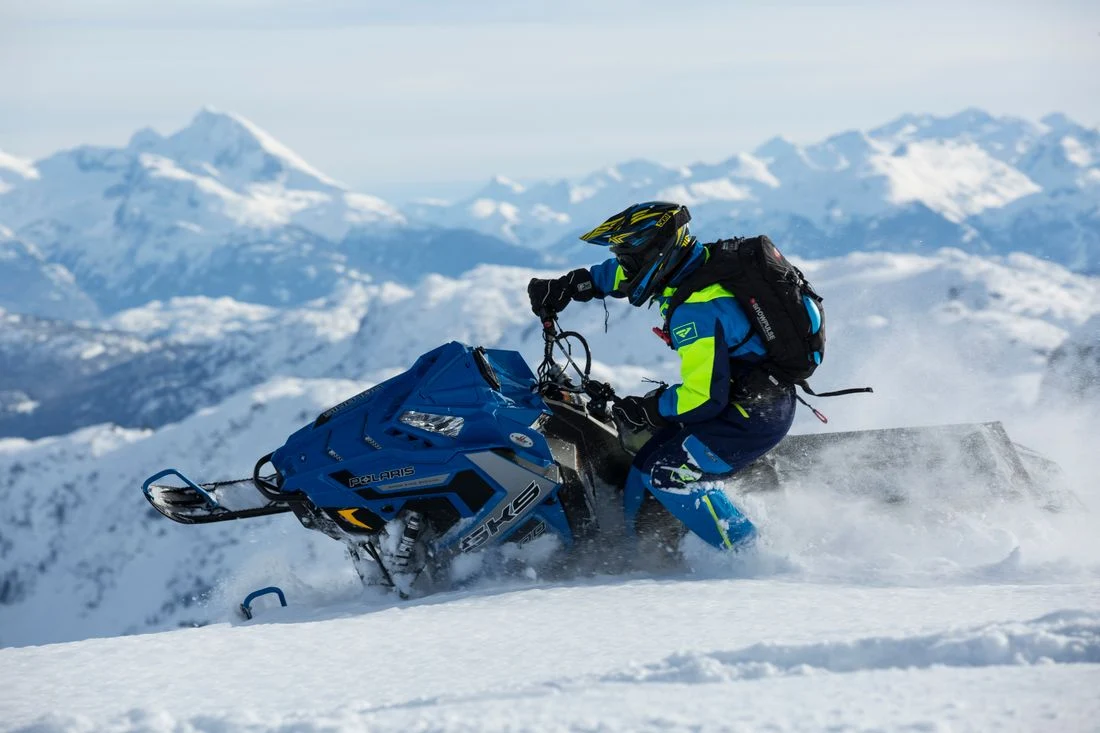
Store with intention.
Use the vehicle manufacturer’s storage and recommissioning procedures. Clean equipment before storing it, allow it to dry, and inspect for wear. Follow battery and fuel-system instructions for your particular machine.
Inspect before the first outing.
Changes in temperature, moisture, and time can affect equipment. Check seals, straps, closures, tires, belts, hoses, and safety gear. Replace damaged items according to manufacturer guidance.
Dress for the conditions.
Consider expected weather and the consequences of a delay. Choose compatible layers, gloves, boots, and protection appropriate to the activity. Warm clothing alone does not replace training, emergency planning, or required safety equipment.
Keep learning.
Seek appropriate riding and safety instruction. Snow travel can involve avalanche terrain and other hazards that require specialist knowledge. On water, use a correctly fitted life jacket approved for the activity and comply with local requirements.
General preparation guidance only. Follow your equipment manufacturer’s instructions and seek qualified help for vehicle-specific or safety-critical decisions.